
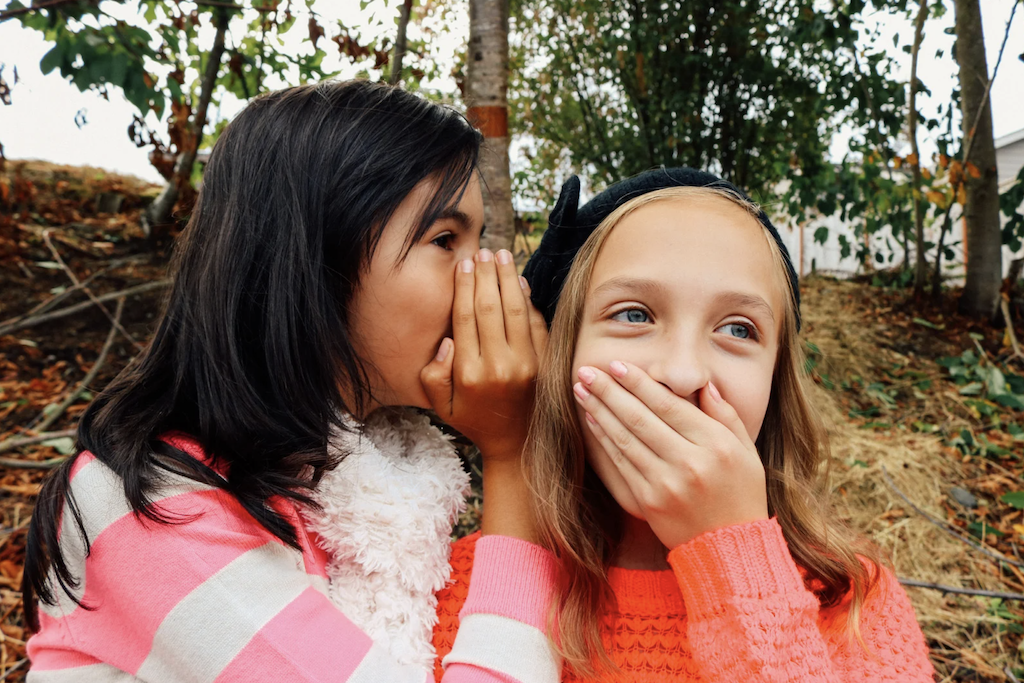
Most girls know when something feels mean. They know when someone is being intentionally left out, when a joke has crossed a line, when the group chat has turned into gossip, or when everyone is being cold to one girl because the most influential person in the group decided they should be.
And yet, despite knowing it’s hurtful, many girls go along with it anyway.
If you notice this in your daughter, it can be deeply confusing for parents. You may look at your daughter and think, She knows better than this. If your daughter is the one being hurt, you may wonder why girls who were once kind to her suddenly seem willing to participate in exclusion.
The answer is more complicated than, “They’re mean girls.”
For many teen girls, the pressure to belong is stronger than the impulse to do what they know is right. Understanding why that happens can help you respond in a way that builds social courage instead of shame.
Why Do Girls Go Along With Mean Girl Behavior?
Girls often participate in exclusion, gossip, teasing, or social punishment because they are trying to protect their own place in the group.
That does not excuse the behavior, but it does help explain it.
Adolescence is a time when peer approval becomes incredibly important. Girls are paying close attention to who is included, who has influence, who is drifting out, and what it takes to stay connected.
If one girl in the group holds a lot of social power, the others may quickly learn that disagreeing with her comes with risk. They may worry:
What if she turns on me next?
What if I’m the one who gets left out?
What if everyone thinks I’m taking the other girl’s side?
What if I lose the group?
That fear can make otherwise kind girls behave in ways that surprise even themselves.
They’re Afraid of Becoming the Next Target
This is one of the biggest reasons girls go along with mean behavior. When your daughter watches someone else get mocked, excluded, or pushed out of the group, she is learning something important: This group can turn on people. And once she knows that, self-protection can take over. She may laugh at a comment she doesn’t find funny, stay silent when someone is being talked about, or even participate in exclusion because she wants to make it clear that she is still aligned with the group.
From the outside, this can look cruel. Inside, it is a response to fear. That is why girls need to learn how to recognize and tolerate the discomfort of doing the right thing when there is a social cost.
Belonging Can Feel More Important Than Integrity
Most girls want to think of themselves as kind, but they also want to belong. Sometimes those two desires come into conflict.
Your daughter may know that leaving someone out is wrong, but if inclusion in the group feels fragile, she may decide that staying connected is more important than speaking up. This is especially true if she has worked hard to become part of a group or has experienced exclusion herself in the past.
She may think: I don’t agree with this, but I don’t want to ruin things for myself.
This explains why girls need help learning that belonging matters, but belonging at the expense of your values comes with a cost too. It’s important to help your daughter notice when the desire to stay included is pulling her away from the person she wants to be.
They Convince Themselves It’s “Not That Bad”
Girls are very good at minimizing uncomfortable social behavior. They may tell themselves:
“She was just joking.”
“Everyone was saying it.”
“I didn’t actually do anything.”
This kind of thinking helps them reduce the discomfort of knowing something is wrong. But silence, laughter, and passive participation still affect the person being hurt.
One of the most useful conversations you can have with your daughter is about the difference between starting harmful behavior and participating in it. She may not have been the person who initiated the exclusion but that doesn’t mean she didn’t add to the hurt of someone else.
The Group Makes It Easier to Avoid Responsibility
People behave differently in groups. Your daughter may do something with five other girls that she would never do one-on-one. Why?
Because responsibility gets spread out. If everyone is laughing, excluding, or ignoring someone, she may feel less accountable for joining in. This is one reason group-based relational aggression can escalate quickly. Each girl feels like her individual role is small, but to the girl on the receiving end, the impact is enormous.
Teaching your daughter to ask, “What part am I playing in this?” helps highlight her responsibility and make informed choices.
Sometimes They Want the Social Approval That Comes With Joining In
Fear is not the only reason girls participate. Sometimes there is a reward.
Being close to the influential girl can raise someone’s status.
Getting the inside information can make her feel important.
Being included in gossip can make her feel trusted.
Joining the joke can earn laughter and approval.
This is where mean girl energy becomes especially powerful. Social behavior that hurts someone else can also make another girl feel more secure, more popular, or more connected. That is an uncomfortable truth and the reason girls need adults who can help them understand that attention and belonging are not always signs that a friendship is healthy.
Schedlue a free dicovery session
They Don’t Know How to Disagree Without Risking the Friendship
Many girls have never been taught how to assert themselves. They may know they disagree, but they do not know what to say.
Do they confront the whole group?
Defend the girl being talked about?
Leave the conversation?
Change the subject?
Say nothing?
That uncertainty matters. If your daughter lacks language, she may choose silence simply because she does not know how to handle the moment. This is why social courage has to be practical. Instead of only teaching your daughter to, “Stand up for what’s right,” give her words.
She might say:
“I don’t really want to talk about her when she’s not here.”
“I think that’s getting kind of mean.”
“You can be mad at her without everyone piling on.”
Girls are much more likely to act with confidence when they have practiced what they can say and do in difficult moments.
What Social Courage Actually Looks Like
Social courage does not always mean making a dramatic speech or confronting the most powerful girl in the group. Sometimes it is much quieter. It can look like choosing not to forward a screenshot, refusing to gossip, or continuing to be kind to someone even when the group has decided she is “out.”
Your daughter may need to understand that she does not have to overthrow the entire social hierarchy to act with integrity. Small choices matter.
What Parents Should Avoid Doing
If you discover that your daughter has gone along with hurtful behavior, your reaction matters.
It may be tempting to say:
“I can’t believe you would do that.”
“You know better.”
“I didn’t raise you to act this way.”
Those responses are understandable, especially if someone has been hurt, but shame is likely to make your daughter defensive. Instead of taking accountability, she may minimize, justify, or stop talking to you.
Accountability works better when it is paired with curiosity.
Try asking:
“What was happening in the group when that happened?”
“What did you think would happen if you didn’t go along with it?”
“Did any part of you feel uncomfortable?”
“What do you wish you had done differently?”
This is not excusing the behavior, it’s helping her understand her choices so she can make a different choice next time.
Teach Her to Know Her Values Before the Moment Comes
It is much harder to make a compassionate decision in the middle of social pressure, especially if your daughter has never thought about what matters to her.
You can strengthen her value system by talking about friendship values when there is no crisis happening.
Ask:
What kind of friend do you appreciate?
What behavior crosses a line for you?
What would you hope a friend would do if people were talking about you?
How do you want to show up as a friend?
How do you want to handle gossip or exclusion?
These questions will spark conversations that strengthen your daughter’s internal compass.
What If Your Daughter Is Afraid She’ll Lose the Group?
This is often the hardest part. Sometimes doing the right thing does come with a social cost. Your daughter may lose closeness with someone or she may be seen as less loyal to the group. Even if this seems unreasonable to you, don’t dismiss her fear. Instead, help her think about the bigger question: What kind of friendship does she want?
If staying in the group requires silence, conformity, or participating in behavior that makes her uncomfortable, that friendship may be costing her something. She does not need to immediately end a friendship, but she can begin investing in friendships where kindness, honesty, and individuality are safer.
When Your Daughter Is the One Being Targeted
Understanding group behavior can also help parents whose daughters are on the receiving end of mean girl dynamics.
If girls who used to be kind suddenly become distant, it does not necessarily mean they independently decided to dislike your daughter. Sometimes they are responding to pressure. While that does not make the experience less painful, it can help your daughter avoid turning the group’s behavior into a judgment about her worth.
Instead of: “Everyone hates me.”
Help her consider: “Some of these girls may be going along with the group because they are afraid of being next.”
That perspective helps her understand that other people’s choices may reflect the social dynamic more than they reflect anything about her.
The Bigger Lesson
Girls do not need to become fearless in order to resist mean girl behavior.
They need practice noticing pressure, thinking independently, tolerating social discomfort, and choosing actions that align with their values. They need to learn that they always have a choice.
That is how social confidence develops.
Frequently Asked Questions
Why do nice girls participate in mean girl behavior?
Nice girls will often participate in mean girl behavior because they are afraid of losing their place in the group, becoming the next target, or being rejected themselves. Social pressure can lead girls to participate in behavior they would not choose independently.
Why do girls exclude other girls in groups?
Girls will sometimes exclude others in an attempt to reinforce social status, punish someone, strengthen bonds within the group, or protect their own position. Sometimes girls participate because they fear the consequences of going against the dominant group.
How can I teach my daughter not to follow the crowd?
You can teach your daughter not to follow the crowd by helping her identify her values before social pressure occurs. Teach her simple language for disagreeing and talk openly about the difference between belonging and conformity. Encourage her to notice when fear is driving her choices.
What should my daughter say when friends are gossiping?
If your daughter’s friends are gossiping, remind her that she does not need to make a dramatic statement. Simple responses like “I’d rather not talk about her when she’s not here” or “I’m staying out of this” can be effective.
Should I punish my daughter if she participates in mean girl behavior?
If your daughter is participating in mean girl behavior, consequences may be appropriate, but punishment alone may not teach her how to change her behavior. Combine accountability with conversations about group pressure, impact, values, and what she can do differently next time.
Helping Girls Build Social Courage
Mean girl behavior is not just about one powerful girl. It is also about what everyone around her chooses to do. That is why is it so important to help your daughter learn to recognize group pressure, trust her own judgment, and act in ways she can respect afterward. Those skills will serve her far beyond middle school or high school friendships.
If you want practical tools for helping your daughter navigate exclusion, friendship pressure, and difficult social situations, download my free Building Better Friendships: A Guide for Parents of Teen Girls.


0 Comments